
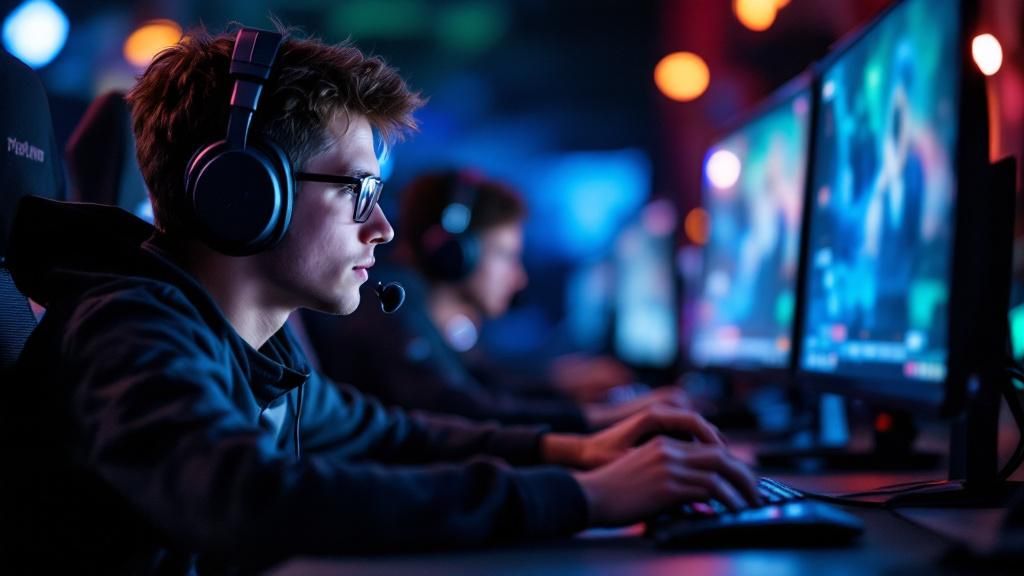
The dynamic esports industry has experienced a substantial transformation, with professional teams now placing greater focus on mental health support as increasingly. Once viewed as mere entertainment, esports has evolved into a intense profession where players encounter intense scrutiny, gruelling schedules, and considerable psychological demands. Recognising these challenges, leading organisations are allocating considerable funding in comprehensive mental health services, including sports psychologists, mental health counselling, and wellness initiatives. This article investigates how the esports sector is reshaping its approach to player wellbeing and why mental health has become as crucial as physical training.
The Growing Importance of Psychological Wellbeing in Professional Esports
Professional esports has evolved into a demanding industry where emotional fortitude proves as vital as technical skill. Players contend with considerable pressure, including fierce competition, global audiences, and unrelenting media attention. The psychological toll of sustaining peak performance whilst handling expectations has led leading organisations to understand that mental health significantly affects competitive outcomes. Consequently, leading teams now regard psychological support as integral to their competitive framework, rather than an optional extra.
The move towards prioritising mental wellbeing reflects wider sector recognition that burnout, anxiety, and depression substantially impact player performance and longevity. Many professional gamers face inconsistent sleep schedules, social isolation, and competitive strain that traditional training regimens cannot resolve. By implementing integrated wellbeing frameworks, organisations display commitment to ongoing performer development. This preventative method not only enhances individual player welfare but also builds stronger team unity and competitive performance across the esports landscape.
Contemporary esports teams utilise specialist mental health practitioners, comprising sports psychologists, qualified therapists, and wellness coordinators. These specialists work collaboratively to create tailored support approaches matched to individual player needs. Through stress management techniques and cognitive behavioural interventions, comprehensive programmes focus on the particular psychological demands central to professional gaming. This investment demonstrates that leading organisations understand mental health as crucial to championship success.
The mainstreaming of conversations about psychological wellbeing within professional gaming environments has substantially diminished stigma. Players increasingly acknowledge emotional and cognitive struggles without fear of professional repercussions. This cultural shift promotes active engagement with mental health support, allowing organisations to recognise and tackle psychological issues before they escalate. By creating spaces where mental health conversation is normalised, organisations cultivate stronger, more resilient rosters equipped to maintain peak performance throughout rigorous competitive periods.
Training schemes complementing clinical support additionally reinforce wellbeing systems across professional esports. Teams conduct workshops addressing sleep optimisation, the psychological effects of nutrition, and mindfulness techniques. Players are trained in emotional regulation and stress resilience, providing them actionable strategies for managing performance demands. These preventive strategies minimise crisis intervention needs whilst supporting long-term mental wellbeing across athletes’ careers.
Spending on mental health infrastructure constitutes significant financial commitment from organisations, yet delivers significant benefits through improved player retention, better competitive performance, and reduced healthcare costs. Teams recognising this relationship gain competitive edge whilst creating industry standards. As mental health support grows more common professional esports, organisations neglecting to prioritise player psychological welfare risk losing players to rival organisations providing extensive support systems. This evolution reflects esports’ growth as a recognised professional industry.
Comprehensive Mental Health Programmes and Support Structures
Professional esports organisations have developed comprehensive psychological support systems that go well past conventional health programmes. These comprehensive programmes combine mental health services, stress management techniques, and peer mentorship systems tailored to competitive gaming environments. By creating specialist mental health teams and collaborating with specialist providers, teams guarantee athletes get tailored interventions addressing exhaustion, performance anxiety, and loneliness. This integrated system acknowledges that long-term performance excellence demands tackling both psychological and emotional wellbeing alongside physical conditioning and strategic training.
Professional Psychological and Psychological Services
Leading esports organisations now have full-time mental health specialists and qualified therapists who understand the distinct challenges of professional esports. These professionals collaborate closely with players to develop coping strategies, address performance-related anxiety, and address underlying mental health concerns. Frequent one-on-one meetings offer private environments where athletes can address personal struggles, occupational stress, and emotional difficulties without concern about evaluation or career consequences. This tailored method has played a key role in improving player retention and collective team performance.
The inclusion of psychological support services reflects a notable shift in how esports organisations approach player mental health. By reducing stigma surrounding wellbeing conversations, teams foster voluntary support-seeking rather than emergency intervention. Psychologists work with coaching personnel to identify preliminary warning signals of burnout or distress, enabling early intervention. Furthermore, these services extend to addressing relationship challenges, family-related issues, and post-career transition planning, acknowledging that players’ lives extend beyond competitive gaming.
- Personalised therapy sessions addressing performance anxiety and stress relief
- Emergency response protocols for urgent mental health situations and urgent support
- Cognitive-behavioural therapy techniques tailored to esports competitive demands
- Family counselling services strengthening player family dynamics and home environments
- Post-competitive planning helping players with professional growth pathways
Organisations demonstrate notable gains in player satisfaction and emotional resilience subsequent to the adoption of specialist mental health support. Teams utilising these services exhibit decreased player departures, improved performance consistency, and better team cohesion. The allocation of funds for certified mental health experts has emerged as best practice among leading institutions, demonstrating the industry’s commitment to long-term athlete progression. This development emphasises growing acknowledgement that championship-winning teams demand psychologically resilient, supported athletes.
Measuring Achievement and Future Improvements
Assessing Mental Health Progress
Professional esports teams are increasingly establishing detailed measurement systems to assess the impact of their mental health initiatives. Teams track player engagement rates, attendance at counselling sessions, and performance improvements combined with psychological assessments. Initial findings reveals strong links between robust mental health support and improved competitive results, lower burnout rates, and improved team cohesion. Forward-thinking organisations acknowledge that supporting psychological health leads to competitive advantages and long-term player growth.
Measuring success extends further than traditional statistics. Organisations carry out periodic surveys measuring player satisfaction with mental health services, stress levels, and overall quality of life. Many teams now have appointed mental health coordinators who examine patterns and modify assistance initiatives accordingly. This evidence-based method enables organisations to show measurable returns on investment, validating ongoing funding for psychological services. Progressive esports companies view mental health metrics as equally important as traditional performance indicators.
Industry-Wide Standards and Regulatory Framework
The esports industry is shifting towards establishing standardised mental health protocols across professional leagues and organisations. Several regional governing bodies have started introducing mandatory mental health requirements, confirming all teams provide adequate psychological support. These programmes represent a major cultural change, recognising that athlete wellbeing is fundamental to the sport’s credibility and sustainability. Standardisation establishes accountability and guarantees uniform standards of support regardless of team funding or geographic region.
Governance structures are developing to safeguard competitor psychological welfare holistically. Professional leagues consistently demand teams to employ certified psychological specialists, carry out periodic health evaluations, and establish secure help services. These standards help eliminate negative perceptions of psychological conversations within professional settings. As esports becomes more established, mental health provisions are evolving into essential binding commitments rather than optional enhancements.
Future Direction and Environmental Responsibility
Leading esports organisations are developing comprehensive psychological support frameworks extending beyond individual player support to widespread sector transformation. Investment in research partnerships with universities aims to deepen understanding of esports-specific psychological challenges and create scientifically-grounded solutions. Teams are creating mentoring initiatives linking active athletes with former competitors who can provide perspective on career longevity and career progression beyond active play. This comprehensive approach ensures long-lasting psychological support systems for future generations.
The outlook of professional esports depends significantly on normalising psychological dialogue and incorporating wellbeing services throughout every career stage. Organisations are increasingly transparent about psychological difficulties, actively recognising players who seek support and proving that psychological wellbeing improves rather than harms playing ability. As esports expands worldwide, this dedication to player mental fitness will probably emerge as a defining characteristic of truly professional organisations, thereby reinforcing the entire competitive ecosystem.
