
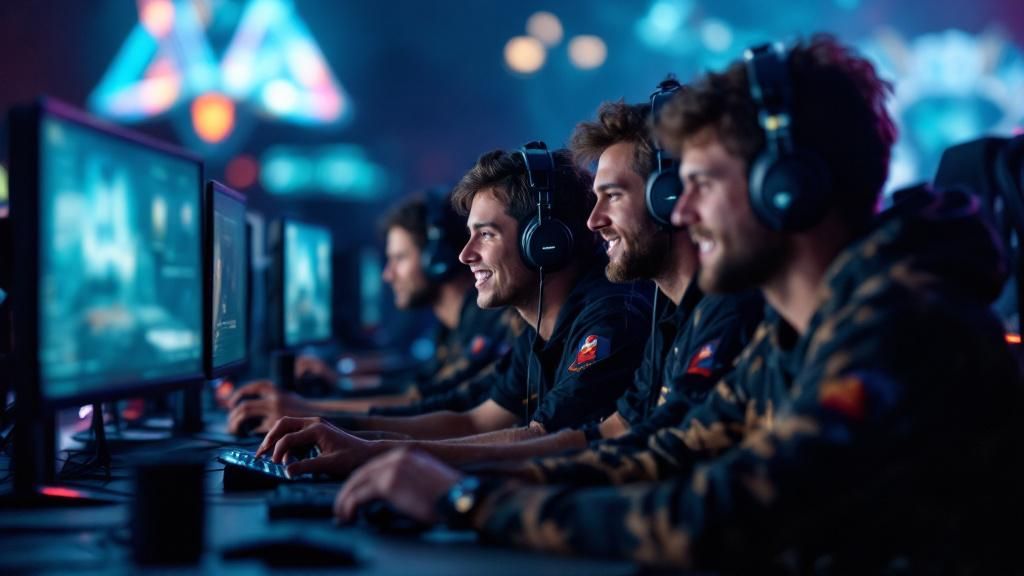
In an ever more connected world, gaming on mobile devices has transcended mere entertainment to function as a significant driver for genuine human connection. Competitive tournament play across platforms like PUBG Mobile and Call of Duty: Mobile has cultivated flourishing worldwide communities where gamers build lasting friendships whilst competing for dominance. This piece examines how esports competitions unite individuals across continents, examining the psychological bonds formed through common interest, team-based cooperation, and the universal language of competition that converts recreational players into enduring friends.
The Expansion of Mobile Gaming Communities
The rapid expansion of smartphones and enhanced internet connectivity has reshaped the gaming landscape, allowing millions of players worldwide to participate in competitive multiplayer experiences from virtually anywhere. What started as simple casual gaming has developed into a complex ecosystem of structured communities, professional tournaments, and purpose-built platforms. Mobile gaming communities have expanded rapidly, with titles such as PUBG Mobile, Clash Royale, and Call of Duty: Mobile drawing hundreds of millions of active players. This unprecedented scale has created unparalleled opportunities for player connection and competitive participation on a global scale.
These growing communities have substantially altered how gamers engage and form relationships. Rather than disconnected play, mobile gaming now supports shared networks where players from varied geographic and cultural backgrounds gather around shared interests. Tournament structures, leaderboards, and ranked systems have established formal play, creating defined pathways for improvement and acknowledgement. The ease of access to mobile gaming has democratised competitive gaming, breaking down established barriers to entry and enabling emerging players to demonstrate their skills internationally. Consequently, relationships formed within these communities often transcend the digital realm, developing into genuine real-world friendships.
Creating Strong Bonds By Way of Competitive Activities
Competitive tournament play acts as a notable catalyst for building authentic friendships amongst mobile gamers around the world. When players face off with one another in formal tournament events, they experience shared triumphs and defeats that create profound emotional ties. These experiences surpass physical borders, allowing individuals from varied societies and traditions to relate at a basic level. The intensity of tournament play cultivates mutual respect and understanding between participants, transforming initial acquaintances into trusted teammates and lifelong companions who celebrate victories together and stand by each other through challenges.
The collective nature of team-based tournaments amplifies relationship building exponentially. Players must maintain strong dialogue, work out tactics as a group, and rely upon each other’s strengths and experience. This interdependence fosters loyalty and friendship that reaches far further than individual matches. Squad members build private banter, common experiences, and a sense of belonging within their gaming circles. The frequent engagement required for event planning reinforces these relationships progressively, creating friendship groups that deliver emotional support, shared gaming experiences, and authentic bonds that many participants regard with equal importance to their offline relationships.
Tournament wins and losses alike play a significant role to developing friendships. Recognising successes collectively strengthens team unity, whilst navigating losses together develops emotional strength and understanding. Players come to value each other’s strengths, adjust to shortcomings, and work synergistically towards shared goals. These joint experiences create an indelible foundation for enduring bonds that often flourish across different gaming platforms and reach into broader life interactions, illustrating competition’s remarkable capacity to connect people authentically.
Global Competitive Formats and Competitive Play
The structure of mobile gaming tournaments has changed substantially over the past decade, developing advanced structural systems that support competition on an never-before-seen worldwide level. Prominent gaming organisations and game developers have invested substantially in developing formalised league structures, regional qualifiers, and international championships that accommodate millions of players worldwide. These tournaments run across various levels, from entry-level community tournaments to formally regulated tournaments providing significant financial rewards. The uniform structures guarantee fair competition whilst permitting players from diverse geographical locations to test themselves against each other, fostering a connection within the wider gaming community and demonstrating that ability goes beyond borders and cultural differences.
Tournament competition formats have proven to be crucial in establishing transparent progression pathways for would-be professional players and informal participants alike. Seasonal rankings, ladder systems, and performance-driven progression systems promote continuous engagement and personal improvement amongst participants. The transparent nature of competitive play—where gameplay statistics are publicly displayed and accomplishments are widely acknowledged—creates an environment of meritocracy that appeals to competitors seeking acknowledgement and status. Furthermore, the incorporation of live streaming platforms and viewing features has revolutionised mobile gaming tournaments into shared experiences, allowing vast audiences to watch exciting competitions whilst at the same time reinforcing the bonds between competitors and supporters who celebrate victories and sympathise with losses together.
The Social Consequences of Formalised Gaming Tournaments
Organised gaming events have significantly changed how gamers view rivalry and collective participation. These tournaments serve as facilitators of authentic connection, surpassing geographical boundaries and cultural differences. When players participate on a worldwide platform, they experience a shared sense of purpose that reinforces personal connections. The structured nature of structured competitions creates opportunities for gamers to display their talents and concurrently earning recognition from competitors. This setting fosters authentic bonds that often extend beyond the competitive sphere into daily existence, demonstrating that organised tournaments operate as significant community bridges in the modern era.
The widespread consequences of these gaming events reach across whole regions, inspiring younger players and fostering exemplars within the esports ecosystem. Professional tournaments streamed globally prove that gaming carries authentic social importance, motivating competitors to commit meaningfully in their communities. Players commonly note that tournament participation has improved their confidence, communication skills, and ability to collaborate with diverse individuals. Moreover, the financial backing and journalistic focus attending significant tournaments validate gaming as a authentic cultural practice, inspiring relatives and peers to support elite gamers. This recognition converts solitary play sessions into acclaimed community moments that strengthen social bonds globally.
